
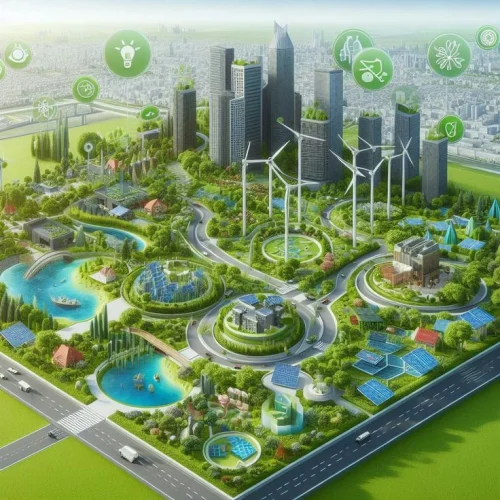
Smart cities are urban centers that use technologies such as the Internet of Things (IoT), Artificial Intelligence (AI), and data analytics to optimize public services, improve mobility, reduce energy consumption, and promote citizen well-being.
🌱 Benefits for the population
Efficient urban mobility: smart traffic lights, transportation apps, and real-time traffic management
Sustainability: clean energy use, automated recycling, and air quality monitoring
Public safety: AI-enabled cameras, motion sensors, and rapid response systems
Health and well-being: online medical appointment scheduling and environmental monitoring
🏙 Inspiring examples
Curitiba (Brazil): a benchmark in sustainable public transportation and smart lighting with 5G antennas
Florianópolis (Brazil): known as “Silicon Island,” with a strong innovation ecosystem
Barcelona (Spain) and Singapore: global leaders in technology integration and urban planning
⚠️ Challenges to be overcome
Despite advances, smart cities face obstacles such as:
High cost of technology implementation
Digital inclusion and equitable access to services
Data protection and citizen privacy
🌟 Main Benefits of Cities Smart
🚦 1. Smart Urban Mobility
Fluid traffic with smart traffic lights and traffic sensors
Apps that indicate faster routes and real-time public transportation schedules
Reduced congestion and pollutant gas emissions
🌿 2. Environmental Sustainability
Air and water quality monitoring
Optimization of energy consumption with automated street lighting
Encouragement of the use of renewable energy and recycling
🛡 3. Improved Public Safety
Cameras with facial recognition and sensors for crime prevention
Fast communication between authorities and citizens in emergencies
Monitoring of risk areas with real-time technology
🏥 4. Health and Well-Being
Digital medical care (telemedicine, online scheduling)
Smart health control and epidemiological surveillance systems
Healthier and more accessible urban environments
🧠 5. Participatory Governance
Digital platforms for citizen consultation and participation
Transparency in government decisions
Faster responses to public needs
💼 6. Fostering Innovation and the Economy
Stimulating startups and technology hubs
Creating jobs linked to the digital economy
More efficient public and private management
These benefits vary from city to city, depending on the technologies implemented and local needs. Want to explore how these points apply to specific cities? I can show you real-world examples! 🌍